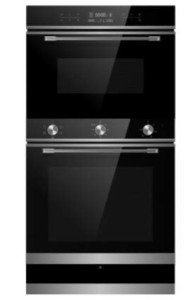
Quiz: How Much Do You Know About Built In Oven?


The Comprehensive Guide to Built-In Ovens
Intro
Built-in ovens are a staple in contemporary kitchens, integrating beauty with functionality. They use a smooth aesthetic and effective cooking capabilities, making them a preferred choice for house owners and culinary lovers alike. built in oven and induction hob package explores the benefits of built-in ovens, their various types, crucial features to think about, installation tips, and maintenance recommendations, along with regularly asked questions.
Benefits of Built-In Ovens
Built-in ovens featured a range of advantages that add to their popularity. Here are some essential benefits:
- Space-Saving Design: Built-in ovens are developed to fit flawlessly into kitchen cabinetry, permitting for a more orderly and space-efficient kitchen design.
- Aesthetic Appeal: They supply a sleek and modern appearance that can boost the overall style of the kitchen.
- Improved Functionality: Built-in ovens often feature innovative functions and technologies that support various cooking approaches.
- Boosted Cooking Experience: Many built-in models include self-cleaning functions, temperature probes, and programmable settings, improving the cooking experience.
- Increased Property Value: A properly designed kitchen with built-in appliances can boost the value of a home.
Types of Built-In Ovens
Built-in ovens can be found in several types, each developed to satisfy numerous cooking preferences and needs. Here are the main types:
| Type of Built-In Oven | Description |
|---|---|
| Single Oven | A single, standalone oven for standard baking and roasting. |
| Double Oven | Combines 2 ovens in one system, enabling for multiple dishes to prepare at various temperatures. |
| Wall Oven | Installed in the wall, releasing up counter area, suitable for small kitchens. |
| Stove | Utilizes fans to circulate hot air for even cooking, improving the outcomes of baked goods. |
| Steam Oven | Makes use of steam for healthier cooking choices, protecting nutrients in food. |
Secret Features to Consider
When choosing a built-in oven, numerous functions can impact performance and use. Here are some important functions to bear in mind:
Cooking Modes
- Bake: Traditional baking with bottom heat.
- Broil: Top heat cooking suitable for browning and crisping.
- Convection: Circulates hot air for even cooking.
- Steam: Uses steam for much healthier cooking choices.
Size and Capacity
- Standard sizes normally range from 24 to 30 inches broad.
- Think about the internal capacity-- it can range from 3 to 6 cubic feet, enabling numerous meal sizes.
Controls and Smart Features
- Touchscreen Controls: Easy programming and modifications.
- Smart Technology: Connectivity features permit for remote tracking and control via mobile phone applications.
Energy Efficiency
- Try to find designs with ENERGY STAR rankings, showing lower energy intake.
Security Features
- Functions like auto shut-off and child locks boost safety during operation.
Setup Tips
Setting up a built-in oven may need expert assistance, however here are some general tips to remember:
- Choose the Right Location: Ensure there's enough area in your kitchen cabinetry for setup, keeping in mind ventilation requirements.
- Electrical Requirements: Check that your kitchen's circuitry meets the oven's power requirements, especially for electric designs.
- Level the Oven: Ensure the oven is level to promote even cooking.
- Secure the Oven: Attach it strongly to the kitchen cabinetry to avoid motion throughout use.
Maintenance Advice
Routine maintenance is crucial for the longevity and performance of a built-in oven. Here's how to keep it in leading shape:
- Regular Cleaning: Wipe down surfaces after each usage and perform deep cleaning regularly.
- Inspect Seals: Inspect door seals for wear and ensure they preserve an airtight fit to enhance energy efficiency.
- Adjust Temperature: If food regularly comes out overcooked or undercooked, think about recalibrating the oven's temperature settings.
- Professional Servicing: Schedule annual check-ups with a skilled specialist to keep optimal performance.
Frequently asked questions
What is the distinction in between a built-in oven and a freestanding oven?
Built-in ovens are created to be set up within kitchen cabinetry, using a smooth appearance. In contrast, freestanding ovens are standalone units that usually include their own cooktop.
Are built-in ovens more expensive than freestanding models?
Usually, built-in ovens can be more expensive due to the included setup costs and advanced features. Nevertheless, rates vary extensively based upon brand name, size, and functionalities.
Can I set up a built-in oven myself?
While it is possible to install a built-in oven yourself, it is suggested to employ an expert to guarantee proper installation, particularly if adjustments to cabinets or electrical work are needed.
How typically should I clean my built-in oven?
It is advisable to clean your built-in oven routinely after heavy use. For deeper cleansings, use the self-cleaning function if readily available or regularly perform manual cleaning to avoid accumulation.
Built-in ovens are an important addition to any kitchen, providing both visual appeal and advanced cooking abilities. By understanding their types, functions, setup, and maintenance requirements, homeowners can make informed choices that enhance their cooking experience and increase the overall value of their homes. As sneak a peek at these guys continue to develop, built-in ovens will likely stay a prominent choice for modern homes.